Building Your First Guild
A guild is a small community of plants that share space and jobs — food, shade, nitrogen, mulch, pollinators, pest confusion. Your first guild should be boring in the best way: one clear centerpiece, a few helpers, and room to grow.
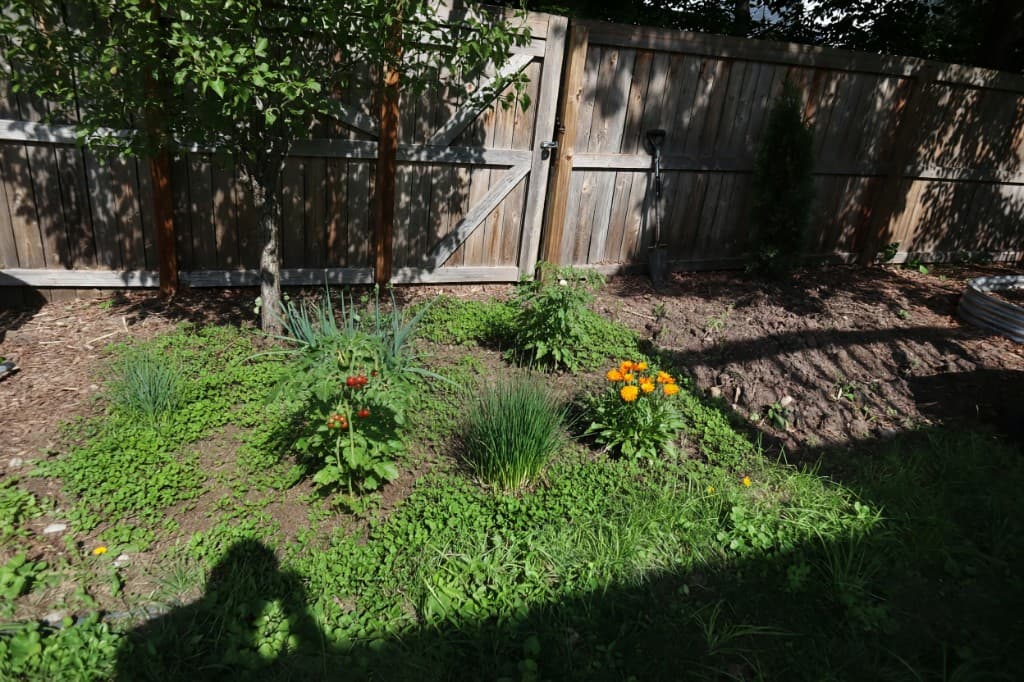
Pick one center and one climate truth
Choose a canopy or focal plant that fits your zone, sun, and water reality — an apple, a dwarf plum, a serviceberry, even a sturdy shrub if trees are not an option. Then design everything else to serve that plant and the people who will harvest it.
Honest sun hours beat optimistic labels. Morning sun and afternoon shade is a different world than a west wall.
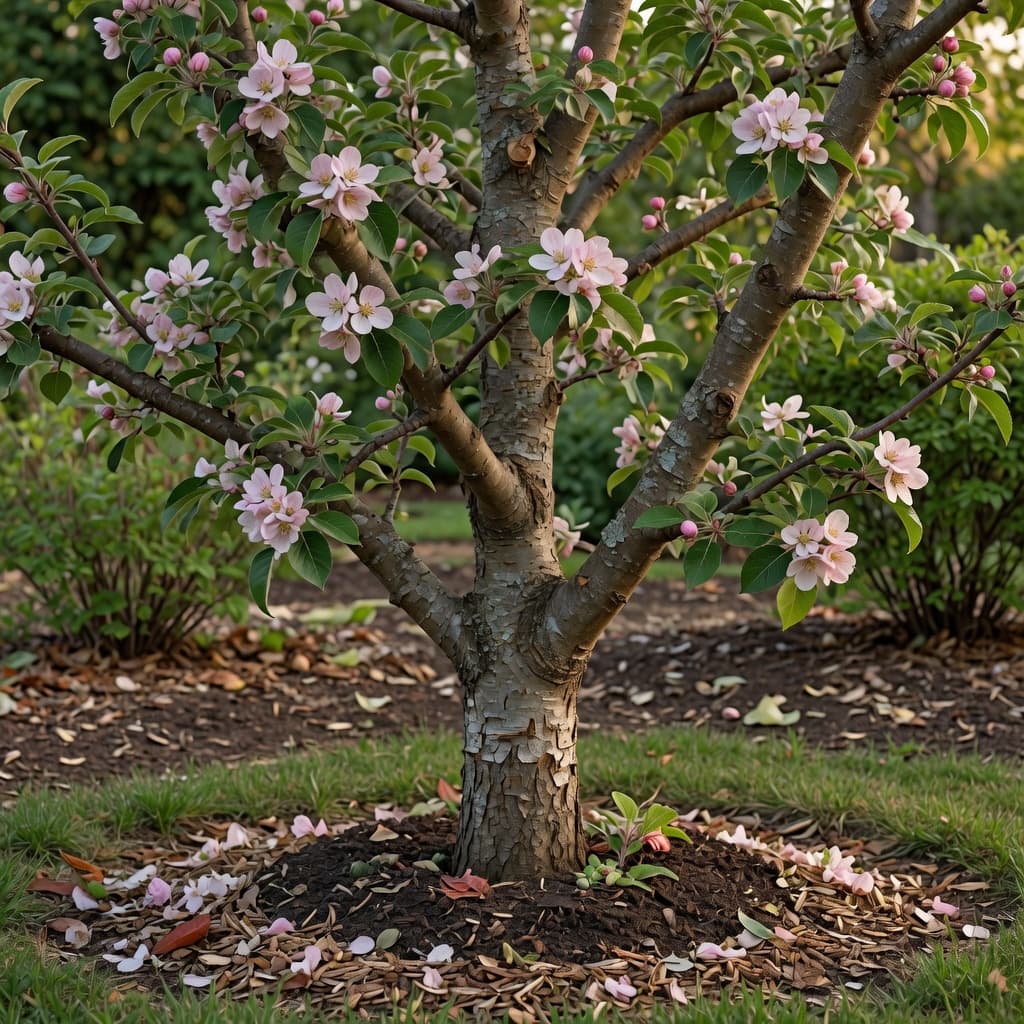
A calm layer template
Canopy or tall fruit: the long-term structure. Support shrubs: berries, nitrogen fixers, or wind-buffer plants at the drip line. Herbs and flowers: culinary plants, pollinator strips, and pest-confusing aromatics. Living mulch: low groundcovers that hold soil without climbing the trunk.
You do not need every layer on day one. Empty space with wood chips is better than overcrowding.
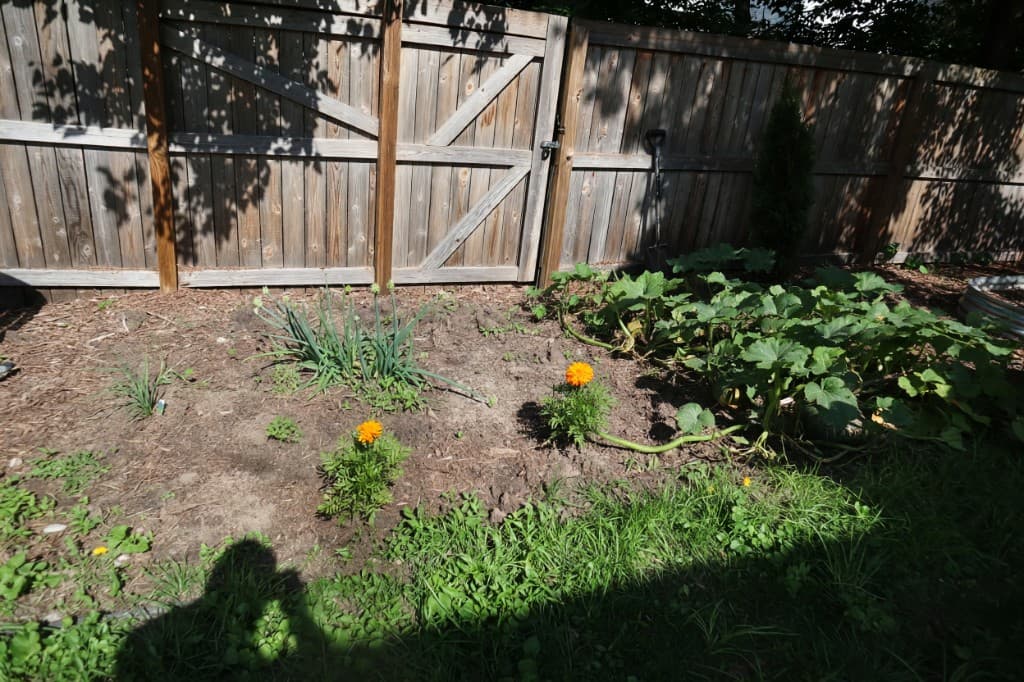
Spacing and succession
Read mature widths, not nursery pot size. Plant the center first, mulch well, then add understory once you can walk the bed without stepping on crowns. Use short-lived fillers (calendula, buckwheat, annual basil) while perennials find their feet.
Revisit the guild each season: prune for light, thin volunteers, and replace what failed without drama. Guilds are edited, not finished.
Use the tools, then trust the ground
Dreamstead’s Build-A-Guild designer helps you explore companions, layers, and zone filters before you dig. Export a layout if it helps you in the field — then adjust for your actual soil and microclimate. Paper is a draft; roots are the peer review.
One honest centerpiece, a few helpers, deep mulch, and patience will teach you more than a perfect diagram.