Why Wood Chips Are Magic
Wood chips look like a finishing touch. Used well, they are infrastructure: they hold water, feed fungi, calm weeds, and turn bare ground into a living sponge. You do not need a truckload on day one — you need a plan for where chips earn their keep.
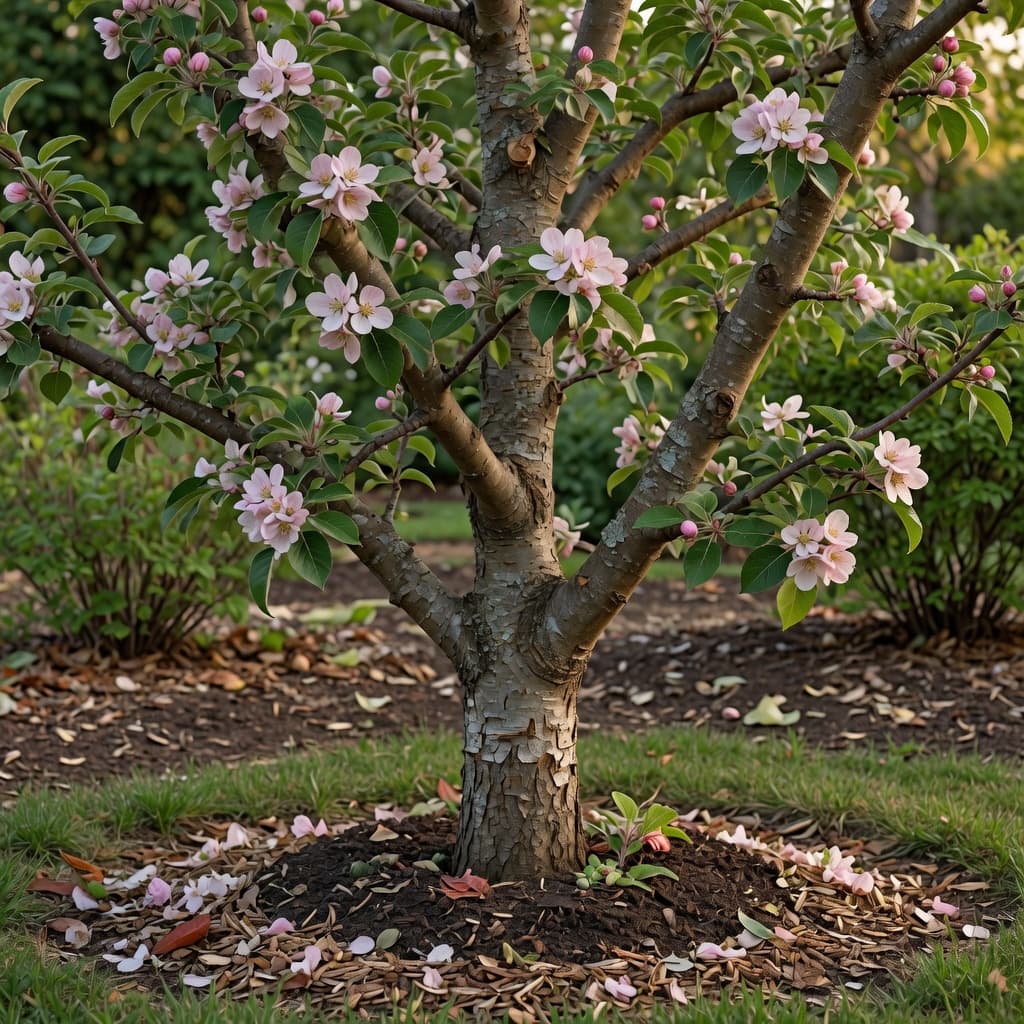
What chips actually do
A deep chip layer shades soil, slows evaporation, and softens the impact of hard rain. Underneath, fungal networks begin to knit woody carbon into humus. That fungal bias suits woody perennials, fruit trees, and forest-garden beds better than a constantly tilled vegetable plot.
Chips also suppress annual weeds by blocking light. They will not erase established perennial roots — but they buy you time and reduce the impulse to cultivate every bare inch.
Where they shine (and where they do not)
Best uses: paths, tree rings (kept a hand-width off trunks), shrub edges, guild understories once plants are established, and areas you want to convert from grass without tilling.
Go light or skip them in seedbeds for tiny annuals, soggy clay that already stays wet, and anywhere you need soil to warm quickly in early spring. Fresh chips against a trunk collar can invite rot — leave a small breathing ring.
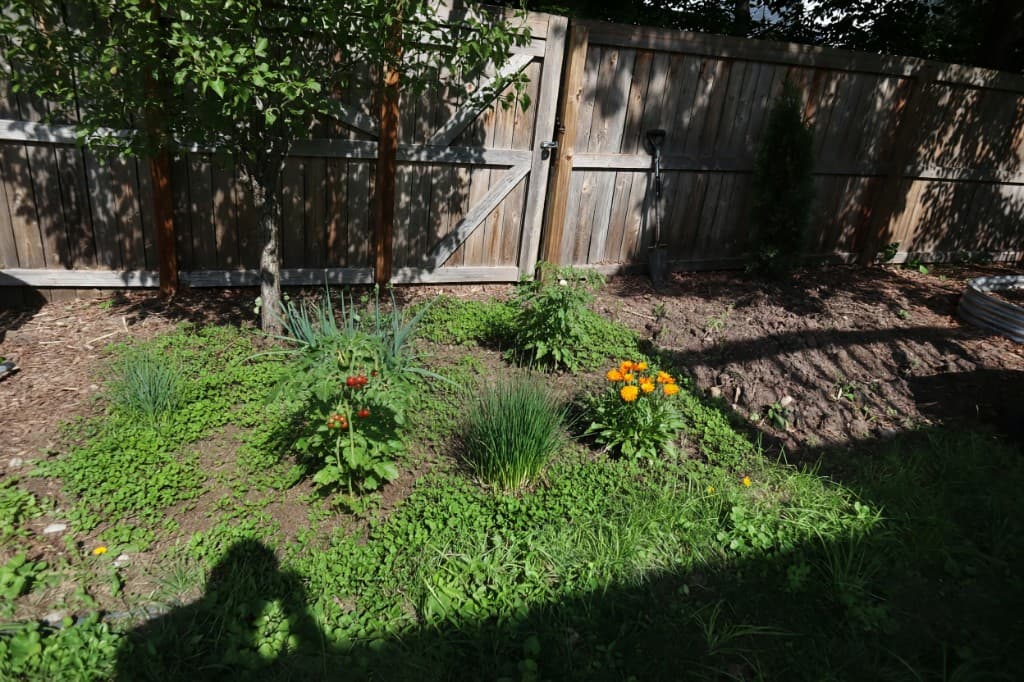
Nitrogen myths, calmly
Surface chips do not “steal” nitrogen from deep roots the way burying fresh sawdust in a planting hole can. The temporary draw happens at the chip–soil interface. If you are planting hungry annuals right into a fresh chip bed, mix in compost or plant into openings with finished compost. For trees and shrubs, a chip mulch over living soil is usually a gift, not a tax.
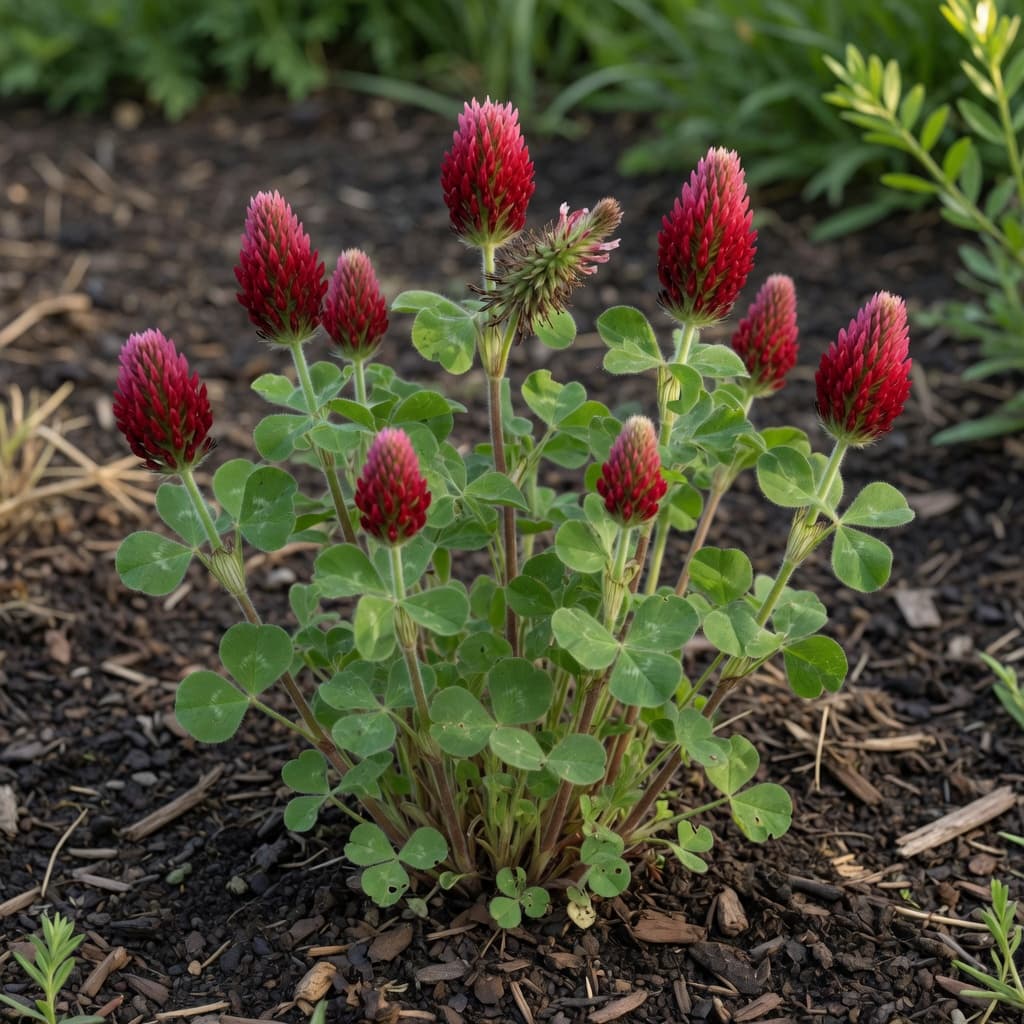
A simple practice
Start with 3–4 inches on paths and 2–3 inches under established perennials. Top up once a year as they settle. Prefer arborist chips (mixed size, some leaves) over uniform dyed landscape mulch. Let them age a few months in a pile if they are very green and hot.
Think of chips as a slow conversation with the soil — not a one-time makeover. Consistency beats depth.
If you take one thing: chips are a moisture and fungus tool first, a weed tool second, and a fertility story over years — not weeks.